
Dance Jox Company
How Professional Male Ballet Dancers Choose the Right Dance Belt
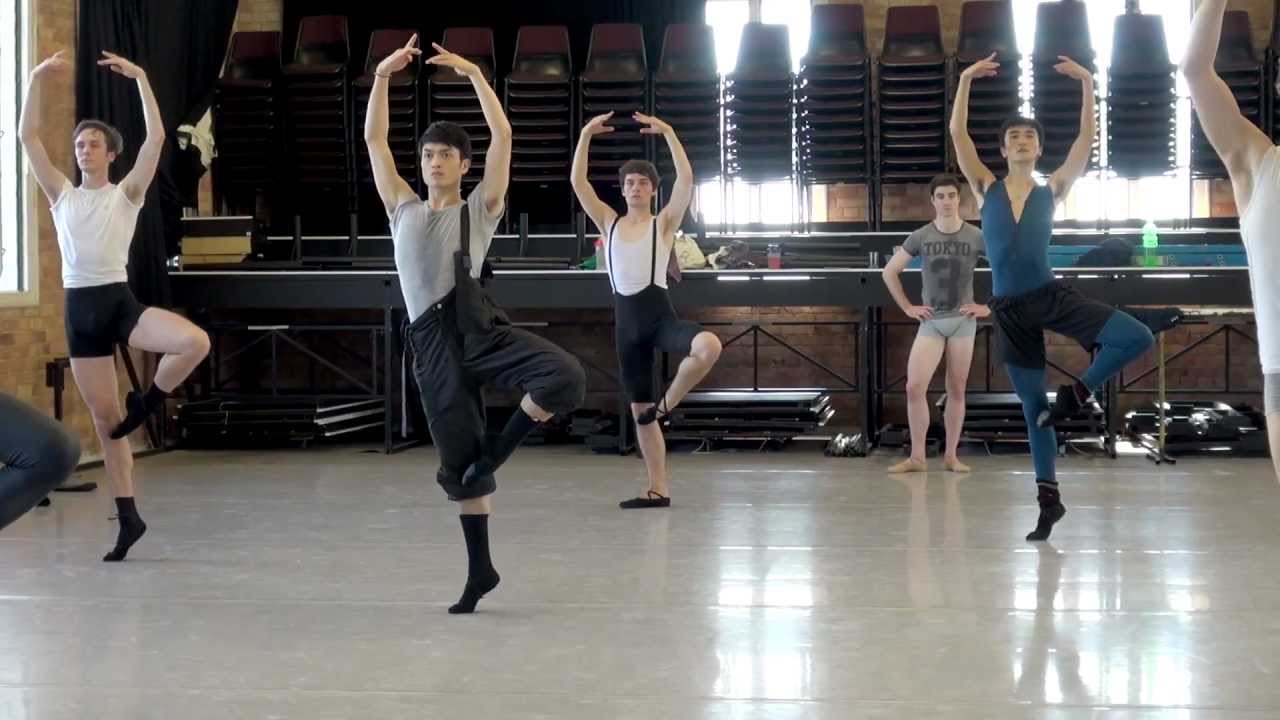
For professional male ballet dancers, a dance belt isn’t just part of the dress code — it’s a performance tool. The right choice can affect comfort, confidence, alignment, and even how a dancer moves through demanding choreography.
Unlike students who may wear whatever is available, professional dancers are intentional about how they choose a dance belt. Here’s what goes into that decision — and what aspiring dancers can learn from it.
Why Professionals Think Differently About Dance Belts
At the professional level, dancers spend long hours in class, rehearsal, and performance. A poorly designed or ill-fitting dance belt quickly becomes a distraction.
Professional dancers look for dance belts that:
-
Disappear under tights
-
Stay secure during jumps, turns, and partnering
-
Remain comfortable through extended wear
-
Hold up under daily use
The goal is simple: maximum support with minimal awareness.
Fit Comes First — Always
🎯 Snug, Not Restrictive
Professional dancers prioritize a fit that feels secure without cutting into the hips or restricting movement. Too loose causes shifting; too tight creates tension and discomfort.
Pros often size based on:
-
Waist and hip placement
-
How the belt feels in plié and grand battement
-
Stability during turns and jumps
A properly fitted dance belt should stay in place without constant adjustment.
Low Profile Under Tights
One of the first things professionals notice is how a dance belt looks under tights.
They avoid:
-
Excess bulk
-
Wrinkling or bunching
-
Visible seams
A clean, classical line is essential — especially in company class and on stage. If it’s noticeable to the dancer, it’s likely noticeable to teachers, choreographers, and costume staff as well.
Support During Demanding Technique
Professional choreography is athletic. Male dancers need reliable support during:
-
Multiple turns
-
Grand allegro
-
Lifts and catches
-
Floor work
Pros choose belts that maintain structure even under dynamic movement. Support that breaks down mid-rehearsal is a dealbreaker.
Comfort Over Long Rehearsals
A rehearsal day can last six to eight hours. Professionals look for materials and construction that:
-
Breathe
-
Reduce friction
-
Avoid pressure points
Comfort isn’t a luxury — it’s a necessity during a full day.
Durability Matters at the Professional Level
Unlike students, professional dancers often rotate multiple dance belts but expect each one to last.
They pay attention to:
-
Stitching quality
-
Elastic recovery
-
Fabric strength after repeated washing
A belt that loses shape or support quickly won’t survive a season.
Studio vs. Stage Considerations
Professional dancers often differentiate between:
-
Dance belts for class being the everyday dance belt
-
Dance belts for the stage being the newest and best looking with tights
Dance belts for the stage must perform well under lighting, sweat, and costume constraints — often requiring an even lower profile and absolute security.
What Professionals Avoid
Experienced dancers know what doesn’t work. Common dealbreakers include:
-
Athletic supporters not designed for ballet
-
Bulky or outdated designs
-
Belts that shift during partnering
-
Styles that distract from movement
Avoiding these saves time, discomfort, and embarrassment.
What Aspiring Dancers Can Learn From the Pros
Students and pre-professional dancers don’t need to wait until company life to think like a professional.
Adopting a professional mindset early means:
-
Choosing purpose-built dancewear
-
Paying attention to fit and function
-
Understanding that comfort supports confidence
These habits are noticed by teachers — and remembered.
The Right Dance Belt Supports the Dancer, Not the Distraction
Professional male ballet dancers choose dance belts that allow them to forget they’re wearing one. When support, fit, and design work together, the dancer can focus entirely on technique, artistry, and performance.
That’s the standard professionals expect — and the one serious dancers should aim for.