
Dance Jox Company
What Teachers Expect: Dance Belt Standards in Ballet Schools and Companies
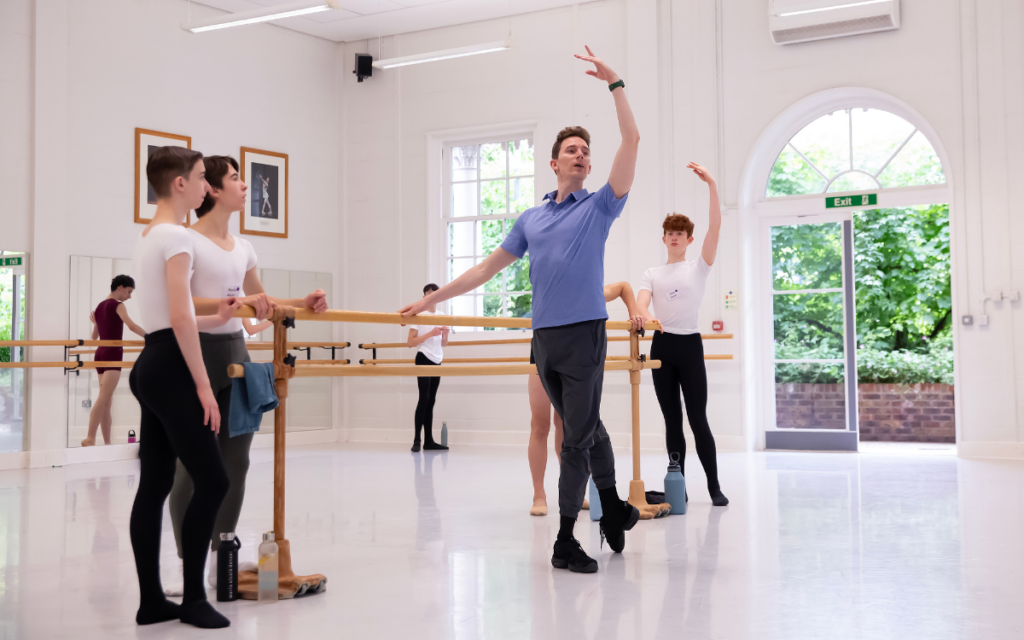
For male ballet dancers, wearing a dance belt isn’t optional — it’s an expectation. From the first serious ballet class to professional company life, teachers and artistic staff expect male dancers to arrive properly supported and professionally dressed.
Understanding these expectations early helps dancers avoid uncomfortable moments, build confidence, and present themselves as serious about their training.
Why Dance Belts Are a Non-Negotiable in Ballet
Ballet is built on clean lines, clarity of movement, and professionalism. Teachers aren’t enforcing dance belt standards out of tradition alone — they’re doing it because proper support:
- Maintains a clean visual line in tights
- Supports the body during demanding technique
- Prevents distraction for both dancer and instructor
- Reflects respect for the art form and the studio
In many schools, a dancer showing up without a proper dance belt will be asked to correct it immediately — or sit out class.
Ballet School Expectations for Male Dancers
🎓 Pre-Professional and Conservatory Training
At serious ballet schools, dress code is part of discipline. Male dancers are typically required to wear:
- Ballet tights
- A fitted dance belt
- A tight-fitting shirt or leotard
Teachers expect students to arrive class-ready, not adjusting, fidgeting, or distracted by discomfort.
For younger dancers, this expectation often marks a transition — a sign that they are being taken seriously in their training.
What Ballet Teachers Are Really Looking For
When teachers emphasize dance belts, they’re watching for more than just compliance.
✔ Clean Alignment and Line
A properly fitted dance belt supports the body without creating bulk or distortion under tights.
✔ Freedom of Movement
Teachers expect dancers to jump, turn, and stretch without restriction.
✔ Confidence and Professionalism
A dancer who is secure in their dancewear moves differently — with less hesitation and more focus.
Company and Professional Expectations
Once a dancer reaches company level, dance belt standards become even more strict.
🎭 In Rehearsals
Choreographers and ballet masters expect male dancers to:
- Be properly supported at all times
- Maintain a consistent, professional appearance
- Avoid visible adjustments during rehearsals
Rehearsal time is valuable — anything that disrupts focus is unacceptable.
🎭 On Stage
Under stage lights and costumes, the wrong dance belt becomes obvious quickly. Costume departments and artistic staff expect:
- Minimal visibility under tights
- Secure support during partnering and lifts
- Consistency across the male corps
The Role of Dance Belts in Partnering and Lifts
In pas de deux work, proper support isn’t just about the male dancer — it affects the ballerina as well.
Teachers expect dance belts that:
- Stay secure during lifts and catches
- Prevent movement that could affect balance
- Support strong, confident partnering
A well-supported dancer is a safer partner.
Common Mistakes Teachers See (and Notice Immediately)
Even experienced teachers can spot issues right away. The most common problems include:
- Wearing a dance belt that’s too loose or worn out
- Using athletic supporters instead of ballet-specific designs
- Choosing bulky styles that disrupt line
- Avoiding dance belts altogether
These mistakes can unintentionally signal inexperience or lack of preparation.
Transitioning From Student to Professional Dancer
One of the biggest shifts in a male dancer’s career is realizing that details matter.
Teachers expect dancers who are moving toward professional work to:
- Take responsibility for their attire
- Choose high-quality, purpose-built dancewear
- Understand that comfort and performance go hand in hand
This transition often happens quietly — but it’s noticed.
Why the Right Dance Belt Makes a Difference
A properly designed dance belt:
- Supports demanding technique
- Maintains a clean classical silhouette
- Allows dancers to focus fully on artistry
- Meets the expectations of teachers and companies alike
For male ballet dancers, it’s not just about wearing a dance belt — it’s about wearing the right one.
Final Thoughts: Professionalism Starts Before the First Plié
Teachers aren’t enforcing dance belt standards to embarrass or single out dancers. They do it because ballet demands discipline, respect, and attention to detail.
Showing up properly supported is a small choice that sends a powerful message:
You take your training seriously.