
About Dance Belts, Dance Belts, Helpful Information
The History and Evolution of the Dance Belt: From Classical Ballet to Modern Performance
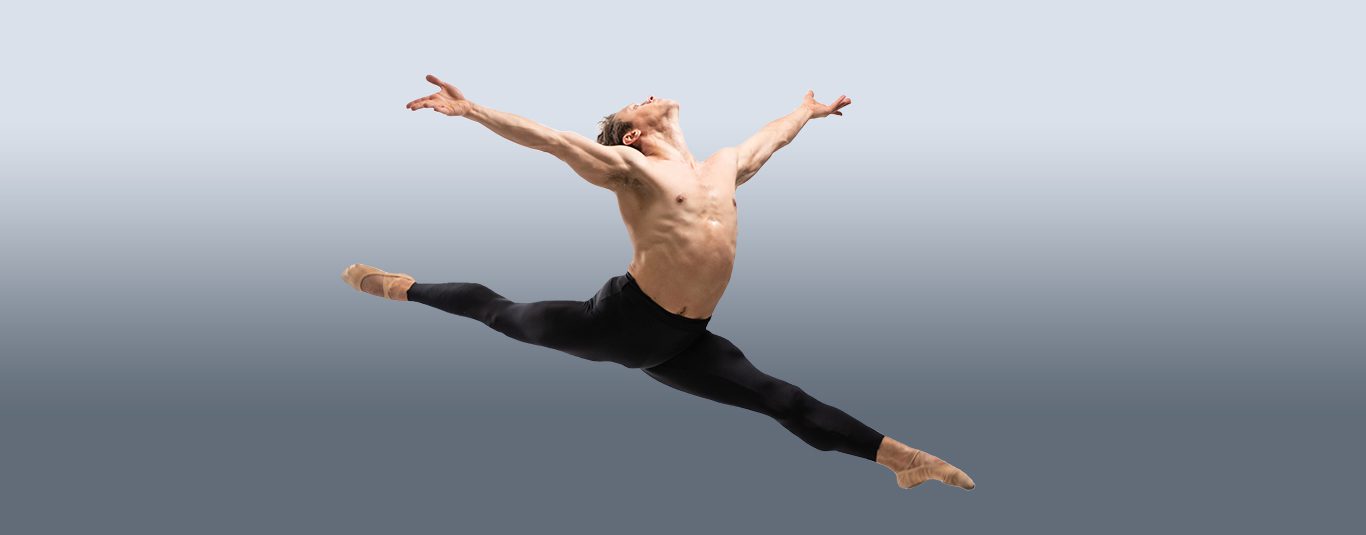
For male dancers, the dance belt is as essential as ballet shoes or tights. Yet despite its importance, many dancers—especially younger ones—rarely learn why the dance belt exists, how it evolved, or how it became a standard garment in ballet and performance today. Understanding the history of the dance belt offers insight not only into dancewear, but also into the changing role of male dancers onstage.
Early Ballet and the Challenge of Male Dancewear
In the early days of classical ballet, particularly during the 17th and 18th centuries, male dancers performed in elaborate costumes that concealed the body. Breeches, tunics, and layered garments were designed for court performance, not athletic movement. There was no need for a specialized undergarment like the modern dance belt because the male anatomy was largely hidden.
As ballet technique evolved and movement became more athletic—requiring jumps, turns, and extensions—costumes began to simplify. By the 19th century, male dancers were wearing tighter-fitting trousers and tights that better displayed line and form. This shift created a new challenge: how to maintain modesty, support, and a clean aesthetic while wearing close-fitting garments.
The Rise of Tights and the Need for Support
When tights became standard for male dancers, the issue of anatomical visibility became unavoidable. Ballet emphasized clean lines and symmetry, and visible distractions under tights were considered unprofessional. At the same time, dancers needed comfort and support for long rehearsals and demanding performances.
This led to the earliest versions of what we now recognize as the dance belt. Early dance belts were rudimentary—often handmade or adapted from athletic supporters. These early solutions focused primarily on compression rather than comfort or design. While functional, they were far from ideal.
Mid-20th Century: The Dance Belt Becomes Standard
As ballet companies grew and professional training became more formalized in the mid-20th century, dress codes for male dancers became standardized. Dance schools and companies began requiring dance belts as part of daily class attire. At this point, the dance belt was no longer optional—it was essential.
During this era, dance belts began to be produced specifically for dancers rather than adapted from other athletic wear. Designs improved to provide better shaping, durability, and movement freedom. The thong-style dance belt became especially popular because it eliminated visible lines under tights and costumes.
The Dance Belt in Different Dance Styles
While ballet drove much of the early adoption of the dance belt, other dance styles soon followed. Modern dance, contemporary, jazz, musical theatre, and even circus arts all embraced the dance belt as male dancers across disciplines wore tights, unitards, or form-fitting costumes.
Each style placed different demands on the garment. Ballet emphasized clean classical lines. Musical theatre required comfort for long runs and quick changes. Film and stage productions demanded a dance belt that performed well under lighting, HD cameras, and elaborate costumes.
These demands pushed innovation in materials, stitching, and fit.
Modern Innovation: Comfort Meets Performance
Today’s dance belt is the result of decades of refinement. Modern dance belts are engineered with performance fabrics, breathable materials, and anatomically informed construction. They are designed to move with the dancer, not against them.
Key innovations include:
- Softer yet durable elastic for all-day wear
- Moisture-wicking fabrics to manage sweat
- Improved contouring for a natural, clean silhouette
- Seam placement designed to reduce friction and irritation
For professional dancers, especially those performing eight shows a week or rehearsing for hours daily, these improvements make a measurable difference.
The Dance Belt Behind the Scenes
What many audiences don’t realize is how crucial the dance belt is behind the scenes of major productions. Broadway shows, opera companies, film productions, theme parks, and cruise lines all rely on consistent, high-quality dancewear for their male performers.
Wardrobe departments often specify exact dance belt requirements to ensure uniformity across casts. A poorly designed dance belt can distract from costume lines, restrict movement, or cause discomfort that affects performance. As a result, production professionals increasingly prioritize premium dance belts that deliver both reliability and comfort.
Changing Attitudes and Education
Historically, the dance belt was rarely discussed openly, especially with young male dancers. Many learned about it through awkward trial and error. Today, teachers and schools are doing a better job of educating dancers early—explaining not only how to wear a dance belt, but why it matters.
This shift has helped normalize the garment as a professional tool rather than an uncomfortable necessity. Modern dancers are more informed, more confident, and better equipped to choose a dance belt that suits their body and discipline.
The Dance Belt Today and Beyond
The dance belt continues to evolve alongside dance itself. As choreography becomes more athletic and performance environments more demanding, dancers expect more from their gear. A high-quality dance belt is no longer just about modesty—it’s about performance, confidence, and longevity in a dancer’s career.
From the early days of classical ballet to today’s global stages, the dance belt has quietly supported generations of male dancers. Its evolution reflects the growth of dance as an art form and the increasing recognition of the physical demands placed on those who perform it.