
About Dance Belts, Behind the Scenes, Dance Belts, Helpful Information, In the Studio, Staying Fit
Behind the Scenes: A Day in the Life of a Professional Ballet Dancer
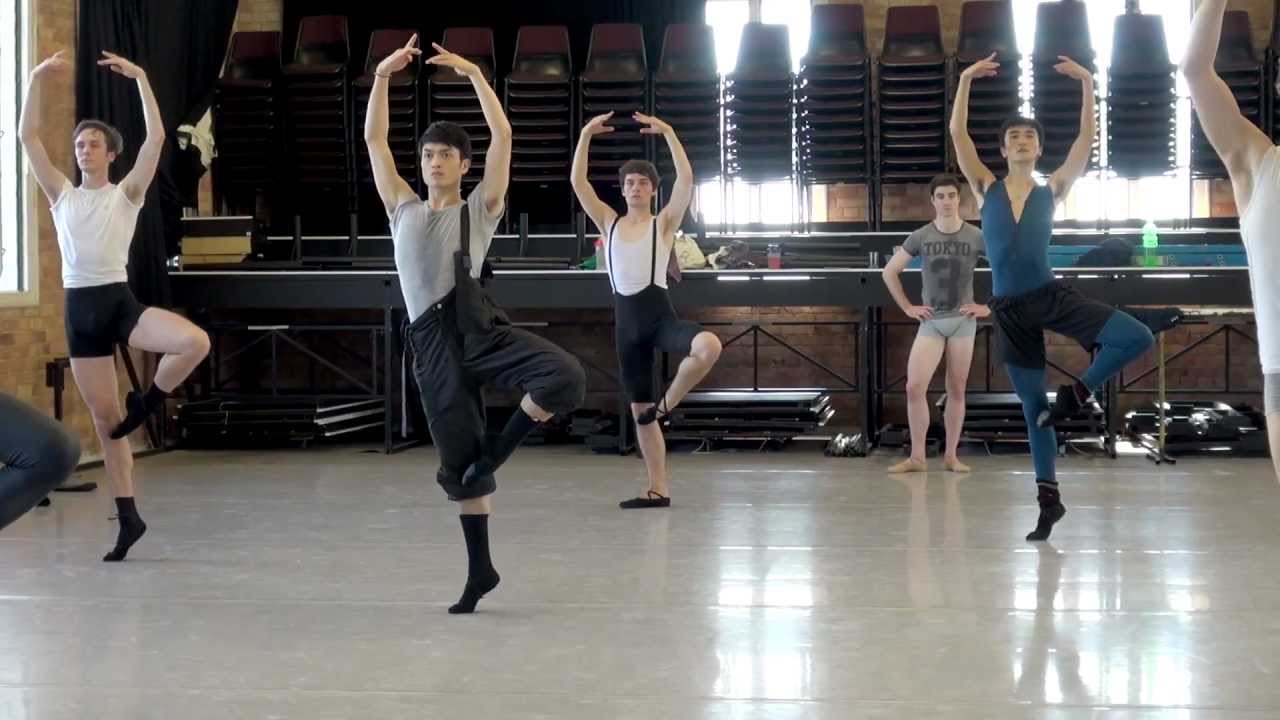
From the audience, ballet can look effortless—graceful movement, seamless transitions, and polished performances. Behind the curtain, however, a professional ballet dancer’s day is built on routine, discipline, and preparation. While every company and dancer is different, a typical day follows a familiar rhythm shaped by training, rehearsal, and recovery.
Morning: Starting the Day with Intention
A professional dancer’s day often begins with a nutritious breakfast. Fueling the body properly is essential, as the day will demand strength, stamina, and focus. Hydration and balanced nutrition help prepare the body for hours of movement ahead.
Getting to the studio early is part of the professional mindset. Most dancers arrive 20–30 minutes before class to change and prepare. A clean outfit—typically a dance belt, tights, and a t-shirt or tank top—is standard. Wearing proper dancewear from the start helps establish focus, comfort, and a professional appearance.
Pre-Class: Warming Up and Connecting
Before class officially begins, dancers ease into the day with light stretching and mobility work. This time allows muscles and joints to wake up gradually, reducing the risk of injury.
The studio is also a place of community. Morning conversations, shared laughs, and quiet check-ins with colleagues are part of daily life. These moments of connection help set a positive tone before the work begins.
Class: The Foundation of the Day
Company class usually lasts about an hour and a half and serves as the technical foundation for the entire day. Barre work builds strength and alignment, while center exercises challenge balance, coordination, and musicality.
Wearing a properly fitted dance belt during class allows dancers to move freely without distraction. Support, comfort, and clean lines under tights are essential—especially during demanding combinations that require focus and precision.
Rehearsals: The Heart of the Workday
After class, dancers move into rehearsals. These can last anywhere from a couple of hours to most of the day, depending on the rehearsal schedule and upcoming performances.
Rehearsals may include learning new choreography, refining existing roles, or running sections of a ballet. Some days are lighter, with only a few hours of focused work. Other days are full, pushing both physical and mental endurance.
Midday: Lunch and Recovery
Lunch breaks vary. On lighter days, dancers may have time to leave the studio and eat offsite. On busier days, lunch is packed and eaten quickly between rehearsals.
Regardless of where it happens, lunch is an important moment to refuel and mentally reset. Nutrition and rest play a critical role in maintaining consistency throughout the season.
Afternoon: More Rehearsal—or Wrapping Up Early
Depending on the schedule, dancers may return for additional rehearsals in the afternoon. These sessions often focus on polishing details, spacing, and musical timing.
Some days end earlier, allowing dancers time to recover. Learning to listen to the body and respect rest is a key part of longevity in a professional career.
Evening: Rest, Reflection, and Balance
After work, dancers head home to relax and cook a nourishing meal. Recovery is just as important as training. Stretching, hydration, and downtime help prepare the body for the next day.
Mental balance matters too. Many dancers choose not to dwell on the day’s work in order to maintain a healthy work-life balance. However, when a performance is approaching, it’s common to mentally review choreography or musical cues to reinforce memory.
Night: Resetting for Tomorrow
The day ends with rest and quality sleep—essential for physical recovery and mental clarity. Each morning brings a new opportunity to train, rehearse, and improve.
Behind every performance is a routine built on preparation, professionalism, and consistency. From the first stretch of the day to the final moments of rest, every detail—including wearing the right dancewear like a dependable dance belt—supports the life of a professional ballet dancer.