
About Dance Belts, Dance Belts, Helpful Information, In the Studio, Staying Fit
How to Build Confidence in Dance Class: Tips for Young Male Dancers
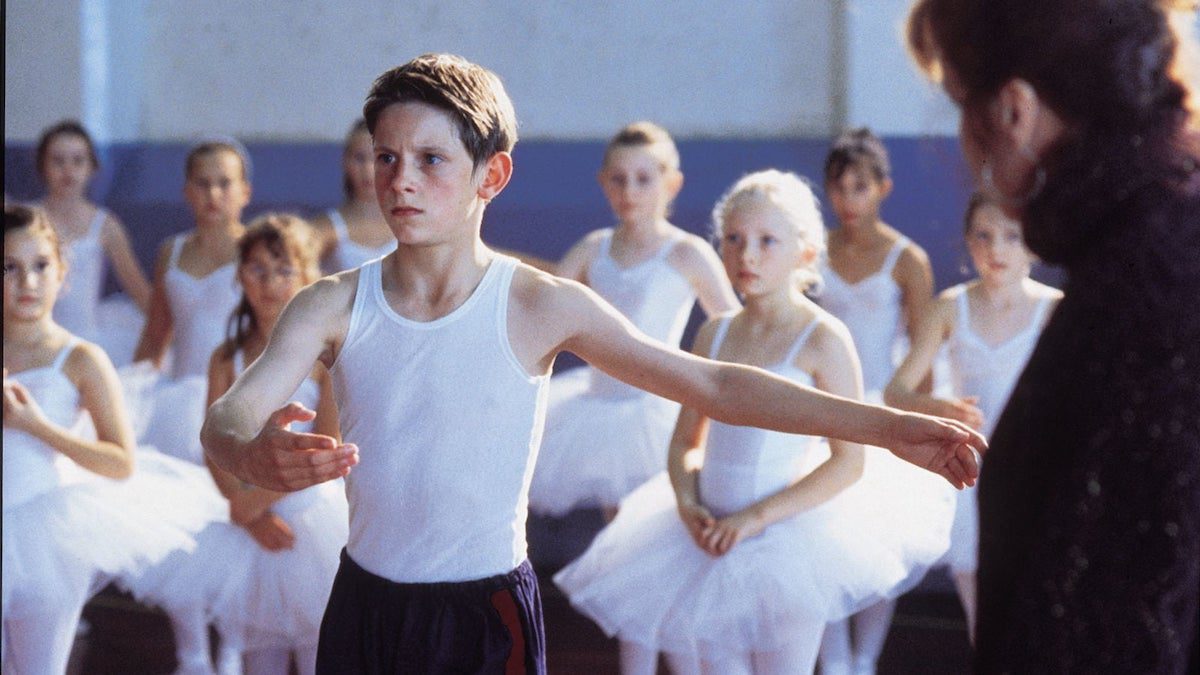
Confidence is one of the most important—and most challenging—skills for young male dancers to develop. Whether stepping into a ballet studio for the first time or advancing into more serious training, confidence affects everything from posture and technique to musicality and stage presence. While confidence grows over time, there are practical steps young dancers can take to feel more secure, prepared, and focused in class.
Understanding That Confidence Takes Time
Many young male dancers feel pressure to “look confident” before they actually feel confident. It’s important to understand that confidence is built through experience, not perfection. Every professional dancer started somewhere, often feeling unsure in class, awkward in new attire, or uncertain about their place in the studio.
Recognizing that discomfort is part of the learning process helps normalize the experience and removes unnecessary self-judgment.
Feeling Prepared Starts with Proper Attire
One of the biggest sources of anxiety for young male dancers is how they look in class—especially when wearing tights. This is where proper dancewear, including a well-fitting dance belt, plays an important role.
A dance belt provides support, modesty, and a clean line under tights, helping dancers feel secure and professional. When dancers aren’t distracted by discomfort or self-consciousness, they’re better able to focus on technique and instruction. Feeling prepared physically often leads to increased mental confidence.
Posture and Presence Matter
Confidence in dance is closely tied to posture. Standing tall, engaging the core, and maintaining alignment immediately changes how a dancer feels and how they are perceived.
Wearing the correct attire—including a supportive dance belt—helps reinforce proper posture by supporting the body’s center. When the body feels stable, movement becomes clearer, and confidence naturally follows.
Focus on Progress, Not Comparison
Dance studios can be intimidating environments, especially for young male dancers who may feel outnumbered or hyper-aware of their differences. Comparing yourself to others—especially dancers with more experience—can quickly undermine confidence.
Instead, focus on personal progress. Improvement in strength, flexibility, coordination, and musicality matters far more than keeping up with anyone else. Confidence grows when dancers measure success by effort and growth rather than comparison.
Ask Questions and Take Corrections Positively
Asking questions in class is a sign of engagement, not weakness. Teachers appreciate dancers who want to understand technique rather than simply imitate it. Similarly, receiving corrections is part of the process and a sign that the teacher sees potential.
Confident dancers learn to view corrections as tools, not criticism. Over time, applying feedback leads to noticeable improvement, reinforcing self-belief.
Build a Consistent Routine
Confidence thrives on consistency. Regular class attendance, proper warm-ups, and reliable dancewear routines reduce uncertainty. Knowing what to wear, how to prepare, and what to expect from class creates a sense of control.
Simple habits—such as always wearing a properly fitted dance belt, maintaining clean shoes, and arriving early—help young dancers feel grounded and ready.
Confidence Onstage Starts in the Studio
Performance confidence doesn’t appear overnight. It’s built during daily class, repetition, and preparation. The habits formed in the studio—professional attire, focused work ethic, and attention to detail—carry directly onto the stage.
When dancers trust their training and feel secure in their appearance, they are more willing to commit fully to movement and artistry.
Confidence Is a Skill You Train
Just like turnout, jumps, or balance, confidence is a skill that develops with time and practice. For young male dancers, feeling supported—both physically and mentally—makes a meaningful difference.
A high-quality dance belt is one small but important part of that support system. By removing distractions and reinforcing professionalism, it helps young dancers focus on what truly matters: learning, improving, and enjoying the art of dance.