
About Dance Belts, Dance Belts, Helpful Information, Staying Fit
Dance Anatomy 101: How the Dance Belt Supports the Male Dancer’s Body
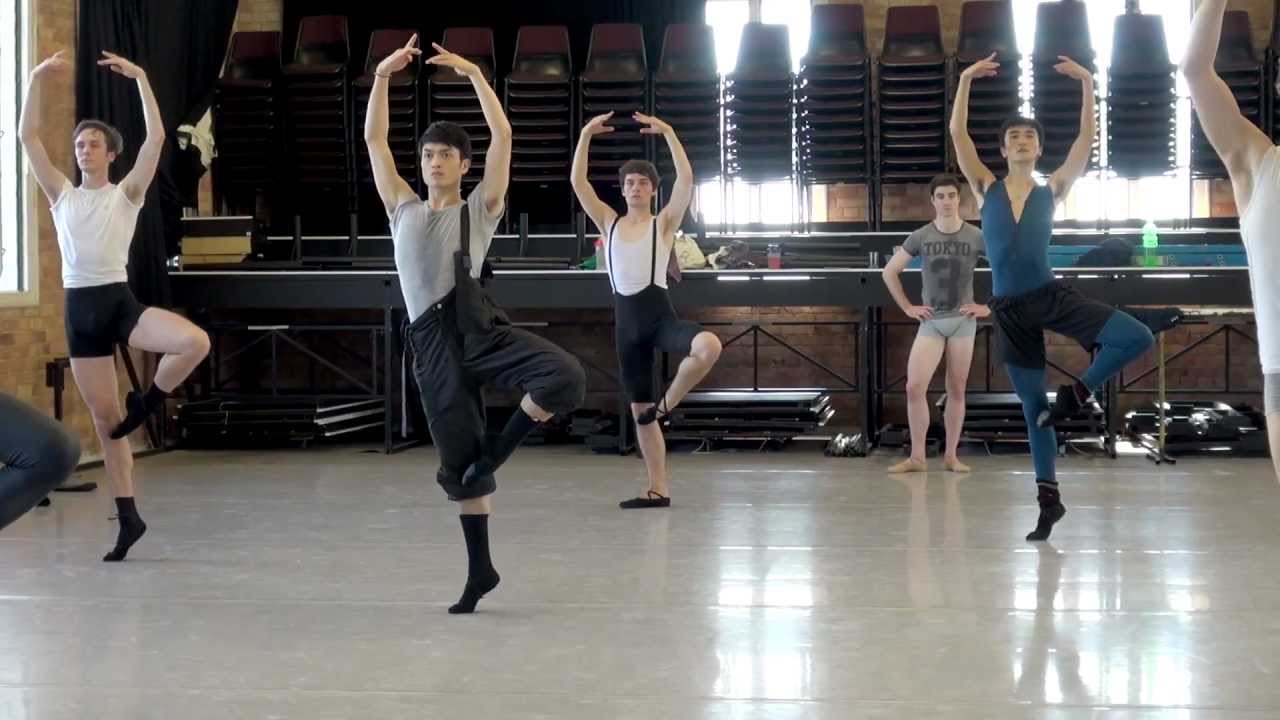
Male dancers are elite athletes. Every jump, turn, and lift demands coordination, strength, and control across the entire body. While training focuses heavily on technique and conditioning, one essential piece of equipment is often overlooked: the dance belt. Understanding how the body works—and how a dance belt supports it—can help dancers perform more confidently and comfortably.
Why Anatomy Matters in Dance
Dance places unique demands on the male body. Unlike many sports, dancers must generate explosive power while maintaining clean lines and precise alignment. Core stability, pelvic control, and lower-body engagement are foundational to proper technique.
When these systems work together, movement appears effortless. When they don’t, discomfort and distraction can interfere with performance. This is where proper support becomes important.
The Pelvis and Core: The Center of Movement
The pelvis acts as the body’s central hub, connecting the spine to the legs. In ballet and other dance styles, the pelvis must remain neutral to allow freedom of movement through the hips and legs.
A well-designed dance belt provides gentle compression and containment that supports this region without restricting motion. By holding everything in place, the dance belt allows dancers to focus on alignment and coordination rather than constant physical adjustment.
Hip Flexors and Turnout
Hip flexors are heavily engaged in movements like développés, grand battements, and jumps. These muscles work in coordination with the core and inner thighs to create lift and control.
Without proper support, repetitive motion can lead to discomfort or distraction. A properly fitted dance belt reduces excess movement and friction, helping dancers maintain concentration through long rehearsals and performances.
Inner Thighs and Adductors
The inner thigh muscles play a critical role in balance, turnout, and controlled landings. These muscles are constantly engaged, even when a dancer appears still.
A high-quality dance belt works with the body’s natural musculature rather than against it. By creating a smooth, secure foundation under tights or costumes, the dance belt helps maintain a clean silhouette while supporting active movement.
Lower Back and Posture
Posture is everything in dance. The lower back must remain long and supported, especially during lifts, partnering, and sustained balances.
While a dance belt is not a medical support garment, its role in stabilizing the pelvic region indirectly supports proper posture. When the body feels secure, dancers are less likely to compensate with tension elsewhere—particularly in the lower back.
Reducing Distraction, Increasing Confidence
One of the most overlooked benefits of wearing a dance belt is psychological. Confidence plays a major role in performance quality. Worrying about appearance, comfort, or wardrobe issues can pull focus away from technique and artistry.
The dance belt eliminates these concerns by ensuring a professional, consistent look across rehearsals and performances. This allows dancers to move freely, commit fully, and perform with confidence.
Choosing the Right Dance Belt for Your Body
Not all dance belts are created equal. Factors such as fabric, stretch, contouring, and design style (thong vs. full-seat) can affect comfort and performance. Dancers should choose a dance belt that matches their training intensity, body type, and performance environment.
Professional dancers and wardrobe departments increasingly favor dance belts designed specifically for dance—those that prioritize durability, breathability, and anatomical awareness.
The Dance Belt as Essential Equipment
Just like shoes or tights, the dance belt is a foundational part of a male dancer’s uniform. It supports the body’s anatomy, enhances comfort, and contributes to a polished stage presence.
Understanding how the dance belt works with the body reinforces its role not as an afterthought, but as an essential tool for serious dancers at every level.